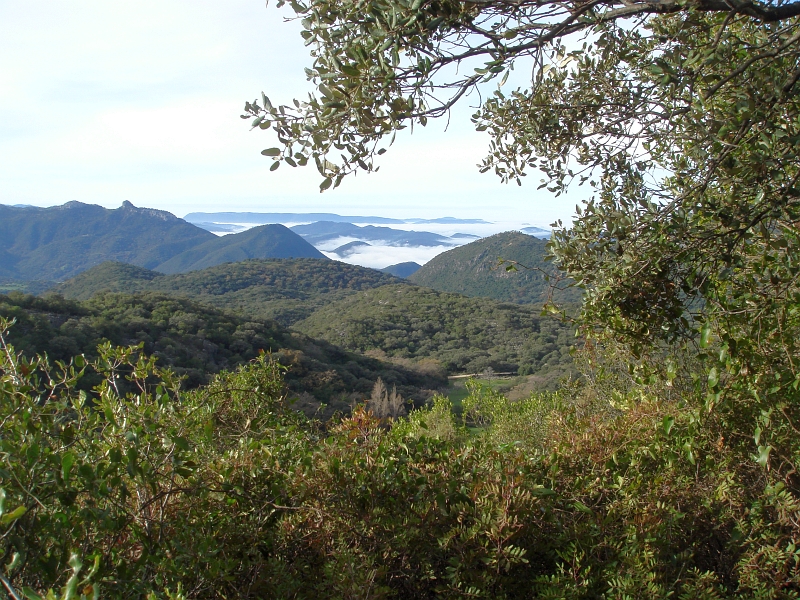
The Sierra de Grazalema Natural Park is a spectacular mountain landscape of high limestone peaks, deep valleys, steep cliffs and wooded slopes in the north-eastern corner of Cádiz province, extending into Málaga. The park surrounds Grazalema and several of the region’s famous white villages, with a remarkable variety of landscapes packed into a relatively compact area.
Read about Grazalema village here.
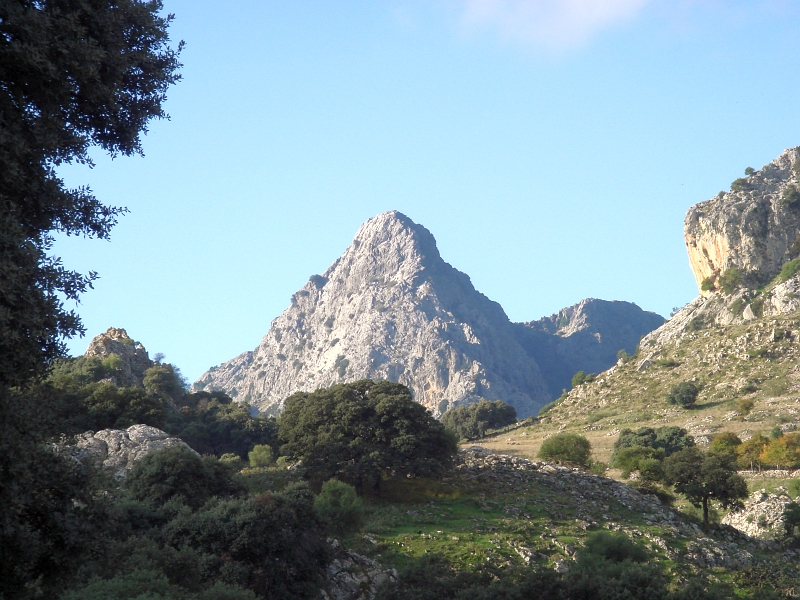
Around 20 peaks rise above 1,000 metres, with El Torreón reaching 1,654 metres (5,426 feet) and forming the highest point in the park. From the higher mountains and passes, views stretch across the surrounding sierras and, on clear days, towards the plains beyond.
The park is particularly rewarding to explore on foot. Its network of paths passes through very different habitats, from shaded riversides and wooded valleys to exposed mountain slopes and limestone cliffs where large raptors nest. Some routes are straightforward walks, while others require more preparation, a good level of fitness or a permit to enter protected areas.
Natural Park status
The Sierra de Grazalema was declared a Natural Park because of the exceptional value of its landscapes, habitats, plants and wildlife. One of its most important natural features is the Spanish fir, or Abies pinsapo. This ancient tree is a relict species that survived major changes in climate and once formed part of a much wider distribution across southern Europe.
Today, natural populations of Spanish fir are restricted to a small number of mountain areas in Andalucía. The Sierra de Grazalema contains one of the most important remaining areas of pinsapo woodland, while other natural forests survive in the nearby Sierra de las Nieves and Sierra Bermeja.
The Spanish fir is therefore an important symbol of the park, but it is only part of the reason the Sierra de Grazalema is protected. Its combination of limestone mountains, cliffs, forests, valleys and unusual plant and animal species makes it one of the most biologically interesting protected areas in Andalucía.

The wildlife of the Sierra de Grazalema Natural Park is just as varied as its landscapes. The limestone cliffs are particularly important for birds of prey, including griffon vultures, golden eagles, peregrine falcons and eagle owls, while the forests and valleys provide habitat for species such as Spanish ibex, wild boar and roe deer. Smaller birds and wildlife are also abundant, making the park a rewarding place for anyone interested in nature and birdwatching.
A collection of images from the Malaga side of the Grazalema natural park
Many botanical tours include the Sierra de Grazalema in their spring itineraries because of the exceptional variety of wildflowers found across the mountains. The combination of colours can be spectacular, but the real interest lies in the plants themselves. Some species are restricted to this small area, while others are found more widely across south-western Andalucía or in parts of North Africa, where similar climates and terrain create comparable habitats. Around 1,400 plant species have been recorded in the Sierra de Grazalema.
Covering more than 53,000 hectares, the Sierra de Grazalema Natural Park extends across parts of the provinces of Cádiz and Málaga. Its landscape is remarkably varied, combining rugged limestone mountains with deep valleys, forests, caves and river gorges. The highest point is El Torreón, at 1,654 metres above sea level, while the surrounding mountains and valleys create a wide range of habitats for the park’s plants and wildlife.




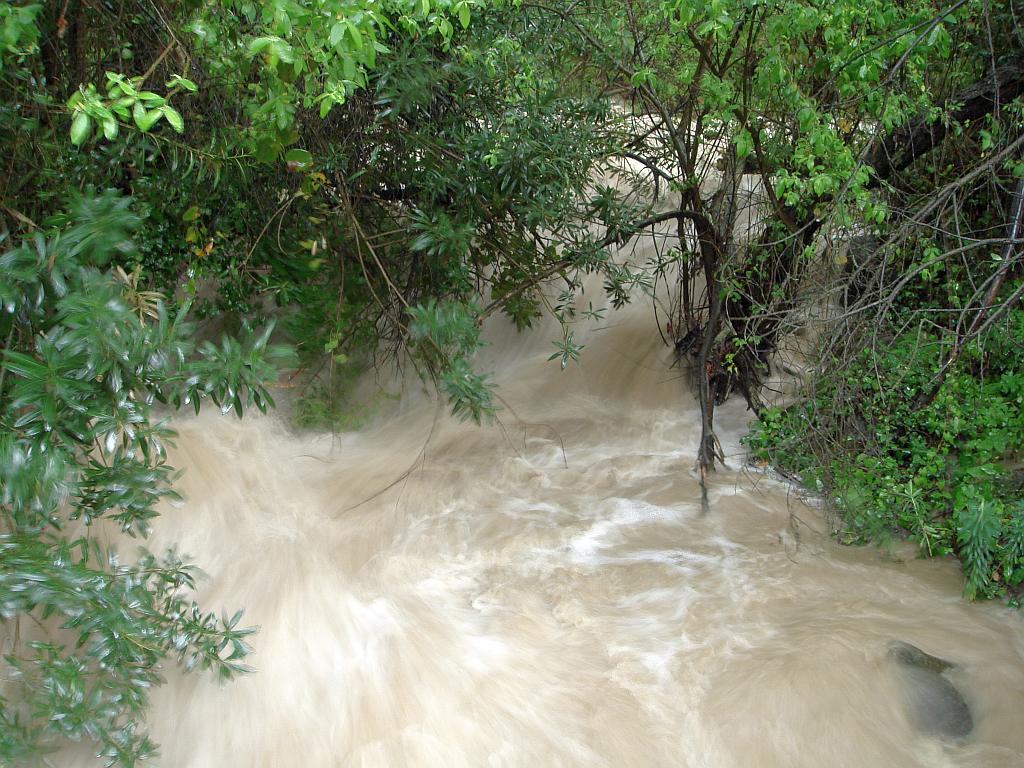
Water plays an important role in the landscape of the Sierra de Grazalema Natural Park. Several rivers and streams rise in or around the mountains, including the Guadalete, Majaceite, Tavizna and Guadiaro. Their valleys and riverbanks create cooler, sheltered habitats that are quite different from the exposed limestone peaks above them.
These rivers and streams are an important part of the park’s ecosystem, providing water and supporting a rich variety of plant and animal life. The valleys they have shaped also add another dimension to exploring the Sierra, particularly where walking routes follow the course of a river or pass through shaded woodland.
The rain in Spain?
The Sierra de Grazalema is famous for being one of the wettest areas in Spain, with an average annual rainfall of around 2,200 mm. That is remarkably high for southern Spain and helps explain the park’s unusually green valleys, dense woodland and rich plant life. Most of the rain falls during the cooler months, although conditions can change quickly in the mountains at any time of year.
This abundant rainfall is one of the key reasons the Sierra de Grazalema supports such a diverse range of habitats and plant species. Rainwater feeds the streams and rivers that cut through the limestone landscape, while the wetter conditions help sustain the woodland and vegetation that make some parts of the park surprisingly green.
The combination of high seasonal rainfall and porous limestone has shaped the Sierra de Grazalema into a landscape of dramatic gorges, caves and underground water systems. One of the most remarkable is the Hundidero–Cueva del Gato cave system, which extends for around four kilometres beneath the mountains from its entrance at the Hundidero gorge to the river exit at Cueva del Gato. The caves can be visited, although entering the underground passages is strictly for experienced and properly equipped teams because of the natural hazards involved.
The caves also preserve evidence of human activity dating back thousands of years. Cueva La Pileta, near Benaoján, contains important Palaeolithic and Neolithic cave paintings, offering a fascinating glimpse into the people who lived in this landscape long before the area became a protected natural park. Guided visits are available in both English and Spanish.
Olives and cork in the Sierra de Grazalema Natural Park
Agriculture remains part of the landscape of the Sierra de Grazalema, particularly around the lower slopes and valleys. Olive groves and cork oak woodland are two of the most characteristic features, reflecting the way people have used the natural resources of the mountains for generations.
Cork is harvested from the park’s cork oak trees without cutting down the trees themselves. The outer bark is carefully stripped from the trunk and then allowed to regenerate before the next harvest, traditionally taking place at intervals of several years. Cork has a wide range of uses, from wine bottle stoppers to flooring and insulation.

Traditional crafts have also formed part of life in the villages around the Sierra de Grazalema. Pottery, weaving and leatherwork reflect local skills and traditions that have been passed from one generation to the next, adding a cultural dimension to the natural landscape.
The White villages or Pueblos Blancos
The Sierra de Grazalema Natural Park is surrounded by some of Andalucía’s best-known white villages, or pueblos blancos. Their whitewashed houses, narrow streets and mountain settings are an integral part of the character of the region. Grazalema, Zahara de la Sierra, Benaocaz and Villaluenga del Rosario are among the most notable villages to visit within and around the park.
The tradition of whitewashing houses has both practical and aesthetic qualities. Bright white walls reflect the strong Andalusian sunshine and help keep buildings cooler during the hotter months, while the narrow streets provide shade and create the compact layouts typical of many mountain villages.
Each village has its own character, with historic buildings, churches, local food and traditional architecture adding to the experience of exploring the mountains. They also provide useful bases for discovering the surrounding countryside, whether you’re interested in walking, wildlife, scenery or simply experiencing village life in the Sierra.

The winding mountain roads within the park boundaries linking the 10 “white villages” lead you through spectacular scenery. The highest road point is at “Puerto de las Palomas” or Doves Pass at 1357m (4452 feet) this offers amazing views over mountains, lakes and lowlands and is situated near to the northern park border. This pass road joins the lakeside “pueblo blanco” Zahara de la Sierra (which is topped by a Moorish tower) to the well known village of Grazalema in the heart of the parkland.
Inside the park the stacked, terraced and haphazardly shaped village houses have strictly retained the traditional colours of white walls, red clay roof tiles, black metal security bars and brown doors in order to maintain their charm.
Grazalema village, backed by impressive solid peaks of rock, may receive the lions share of visitors but each village in the area is worthy of a visit and relaxed walk through the white washed streets.
Where to stay in the Sierra de Grazalema

Staying in the Sierra de Grazalema gives you more time to explore the mountains, villages and walking routes. Grazalema is the obvious base for exploring the heart of the natural park, while Zahara de la Sierra, Benaocaz and other surrounding villages offer alternatives depending on where you plan to visit.
FAQ — Sierra de Grazalema Natural Park
The Sierra de Grazalema Natural Park is a protected mountain area in Andalucía, covering more than 53,000 hectares across Cádiz and Málaga provinces. It is known for its dramatic limestone peaks, deep valleys, caves, forests, rivers and rich wildlife. The park surrounds Grazalema and several of the region’s famous white villages, making it an important destination for walking, nature, wildlife and exploring the mountain landscape.
The Sierra de Grazalema Natural Park is in southern Spain, mainly in the north-east of Cádiz province and extending into Málaga province. Grazalema is one of the principal villages within the park, while Zahara de la Sierra, Benaocaz and Villaluenga del Rosario are among the other white villages associated with the area. The park lies within the mountainous interior of Andalucía, between Cádiz and Málaga.
The highest point in the Sierra de Grazalema Natural Park is El Torreón, which reaches 1,654 metres above sea level. Around 20 peaks in the park rise above 1,000 metres. El Torreón and the surrounding mountains form part of the park’s spectacular limestone landscape, with high exposed slopes, cliffs and wide views across the surrounding sierras.
The Sierra de Grazalema receives so much rain because moist air from the Atlantic is forced upwards when it reaches the mountains. As the air rises, it cools and the moisture condenses, producing heavy rainfall on the mountain slopes. The area’s position close to the Atlantic and its steep limestone mountains make it particularly effective at capturing this moisture. The result is an average annual rainfall of around 2,200 mm, exceptionally high for southern Spain.
The park supports a wide variety of wildlife, particularly birds of prey. Griffon vultures are among the most impressive species found around the limestone cliffs, while golden eagles, peregrine falcons and eagle owls are also present. Spanish ibex, wild boar and roe deer live in the mountains and valleys, while the different habitats support many smaller birds and other wildlife.
The white villages, or pueblos blancos, are traditional Andalusian villages characterised by whitewashed houses, narrow streets and mountain settings. Grazalema, Zahara de la Sierra, Benaocaz and Villaluenga del Rosario are among the best-known villages in and around the natural park. Each has its own character and provides opportunities to experience local architecture, food, culture and the surrounding mountain landscape.

I’ve been living in this lovely area of Western Andalucia for the last 20 years or so and dedicate most of my time to the running of English language tourist information websites for the towns of Cádiz, Ronda, Grazalema, the famous or infamous Caminito del Rey, and also Wildside Holidays, which promotes sustainable and eco-friendly businesses running wildlife and walking holidays in Spain. My articles contain affiliate links that will help you reserve a hotel, bus, train or activity in the area. You don’t pay more, but by using them you do support this website. Thankyou!
11 thoughts on “The Sierra de Grazalema Natural Park”