Benaoján is a traditional white village in the Serranía de Ronda, in Málaga province, Andalucía. Surrounded by limestone mountains, wooded hillsides and the valley of the River Guadiaro, it is an appealing destination for visitors interested in rural Andalucía, walking, caves and local food.
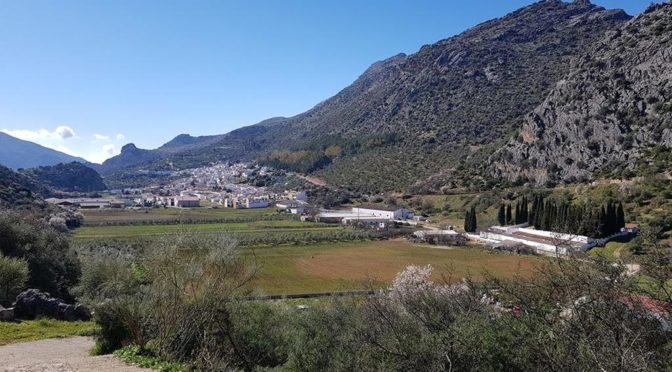
The municipality has two distinct settlements: Benaoján itself, set on the hillside, and Estación de Benaoján, the smaller settlement beside the river. Each has its own character, and the surrounding countryside offers plenty to explore.
The area is particularly well known for the Cueva de la Pileta, famous for its prehistoric cave paintings, and the Cueva del Gato, where water emerges from an extensive underground cave system. Benaoján also has a long tradition of producing chacinas, the cured meats and sausages associated with inland Málaga.
Whether you visit on a day trip from Ronda or stay longer to explore the surrounding countryside, Benaoján offers a quieter side of Andalucía, away from the busier tourist destinations.
What to See and Do in Benaoján
Visit the Cueva de la Pileta
The Cueva de la Pileta is one of the most important prehistoric sites in the Serranía de Ronda. Discovered in 1905, the cave is known for its Palaeolithic paintings and engravings, including depictions of animals and other figures created thousands of years ago.

Located in the limestone landscape outside the village, the cave offers visitors an opportunity to discover the region’s prehistoric heritage as well as its remarkable geology.
Visits are subject to the cave’s access arrangements, so check the latest information before travelling. Do not assume that you can simply turn up and enter. Find out more about a visit to the Cueva de la Pileta over at the Ronda Today website.
Explore the Cueva del Gato
The Cueva del Gato, or Cat Cave, is one of the area’s most distinctive natural landmarks. Its impressive rocky entrance marks the point where water emerges from the extensive Hundidero–Gato cave system.
Water travels underground through the limestone before flowing out into the Guadiaro valley. The surrounding scenery combines rocky cliffs, vegetation and clear water, making the area a popular destination for walkers and nature lovers.
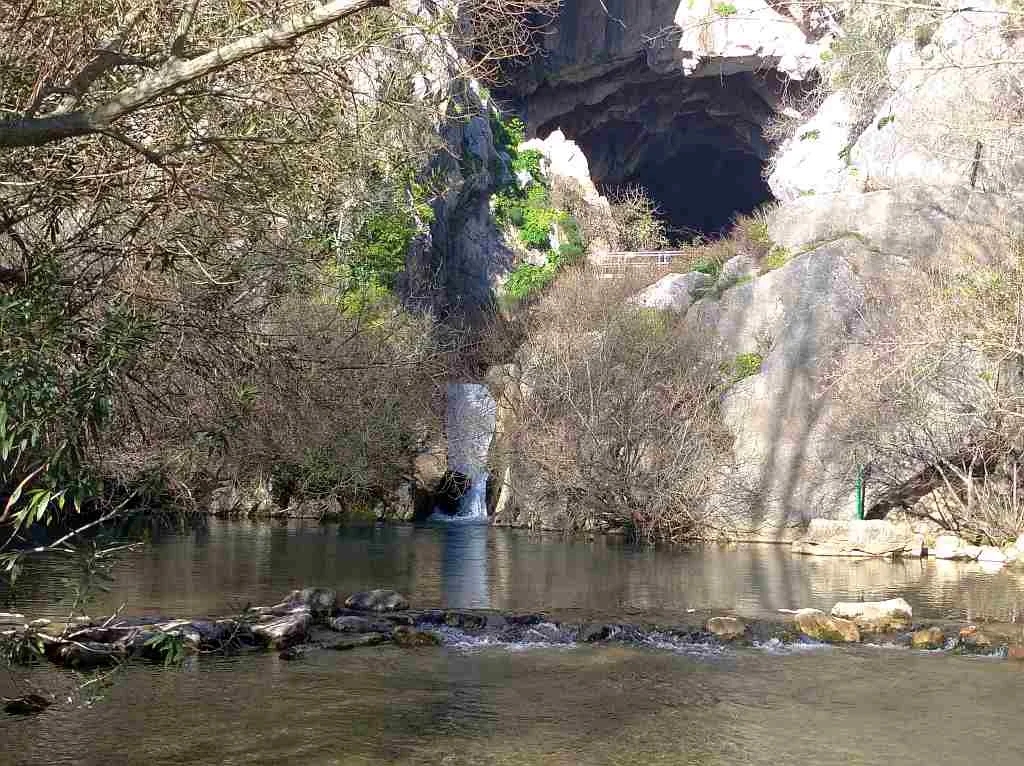
A walking route from Estación de Benaoján follows the river towards the cave’s entrance. The route is approximately 2.2 kilometres one way and takes about an hour, according to the Andalusian regional government’s visitor information.
Important: The cave itself is not equipped for ordinary tourist visits, and entering it without the necessary authorisation is unsafe. Check the current status of the access route before setting out, follow local restrictions and do not enter the cave system without appropriate expertise and permission.
Discover Estación de Benaoján
Estación de Benaoján is the lower settlement of the municipality, situated beside the River Guadiaro. It developed around the railway and has a different atmosphere from the traditional white village higher up the hillside.
The river valley is one of the area’s main attractions, with opportunities to enjoy the countryside, explore local paths and take in the surrounding mountains. The settlement is also a useful starting point for the walk towards the Cueva del Gato.
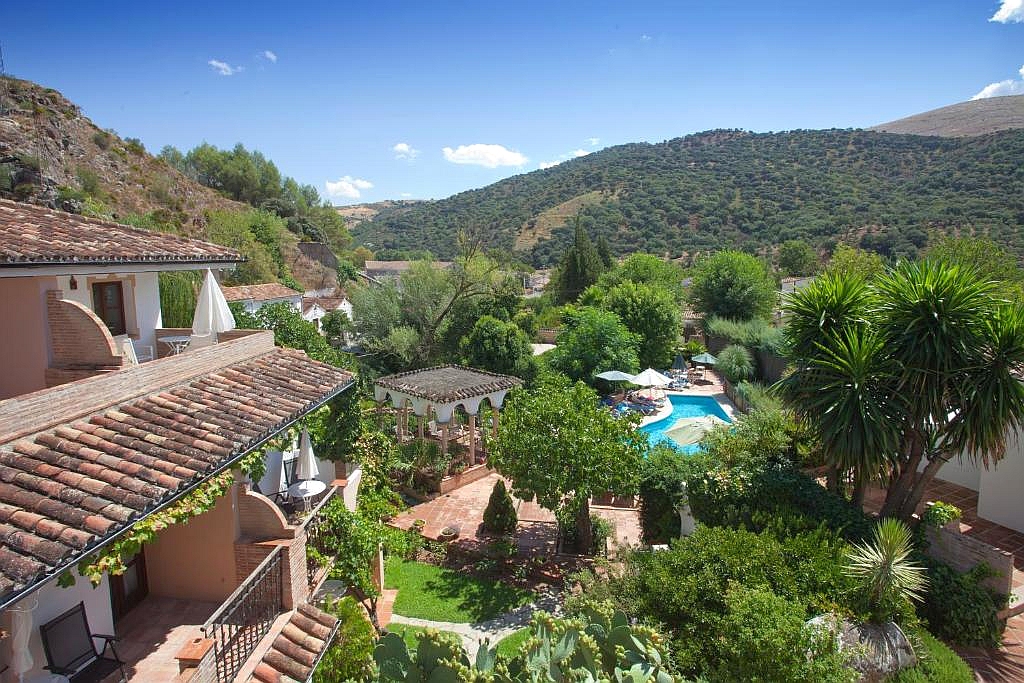
Estación de Benaoján is home to Hotel Molino del Santo, a small country hotel occupying a restored mill. The hotel has 18 individually styled rooms, gardens, an outdoor swimming pool and a restaurant. Its peaceful setting beside the countryside makes it an appealing base for exploring the Guadiaro valley and the wider Serranía de Ronda.
Walk Along the Guadiaro Valley
The River Guadiaro runs through the countryside below Benaoján, creating a green corridor between the surrounding hills. Walking here offers a different perspective on the Serranía de Ronda, with river scenery, rocky slopes and vegetation contrasting with the drier hillsides nearby.
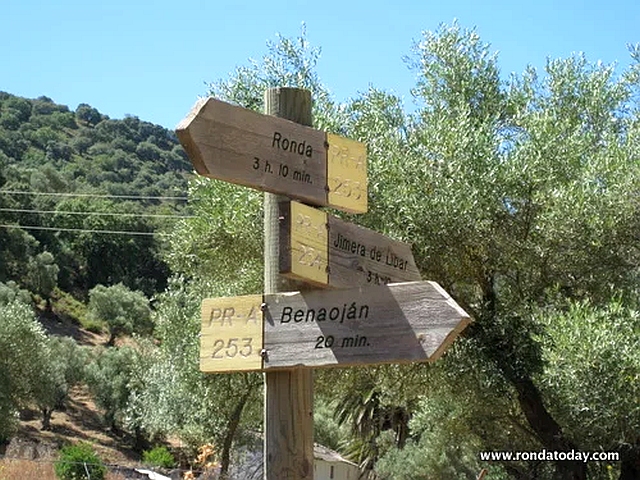
One of the best-known local walks follows the river from Estación de Benaoján towards the Cueva del Gato.
It´s a good way to experience the landscape without committing to a demanding mountain hike, although conditions can change after heavy rain.
Read more about this walk here.
Remember for other walks, choose a route suited to your fitness, carry water and wear suitable footwear. Take particular care around the river, where water levels and path conditions can change.
You can find out more about some of the walks in the Sierra de Grazalema here.
Explore the Village of Benaoján
The main village sits above the valley, with whitewashed houses and narrow streets typical of the pueblos blancos of inland Andalucía.
Take time to wander through the village rather than treating it simply as a stop on the way to the caves. Its hillside position provides views across the surrounding countryside, while the streets and traditional buildings offer a glimpse of everyday life in a small Andalusian community.
The Parish Church of Nuestra Señora del Rosario is one of the village’s landmarks. The church dates back to the sixteenth century, although it has undergone later alterations.
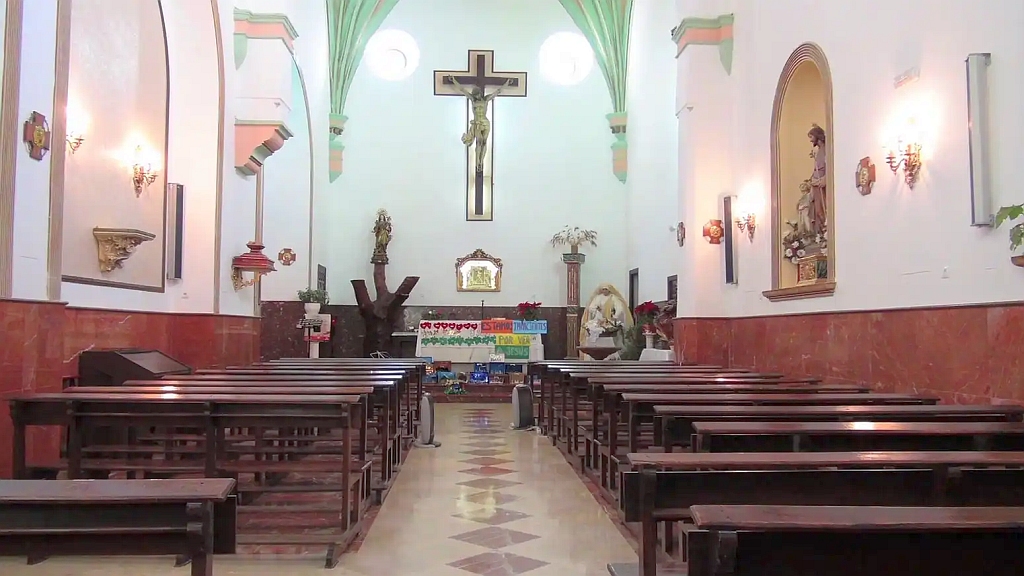
The village centre is also where you will find the Town Hall, the tourist information office and the Plaza de San Marcos, making it a convenient place to begin exploring.
Discover the Countryside Around Benaoján
Benaoján is surrounded by limestone terrain, wooded slopes and rural landscapes that make this part of Málaga province attractive to walkers and nature lovers.
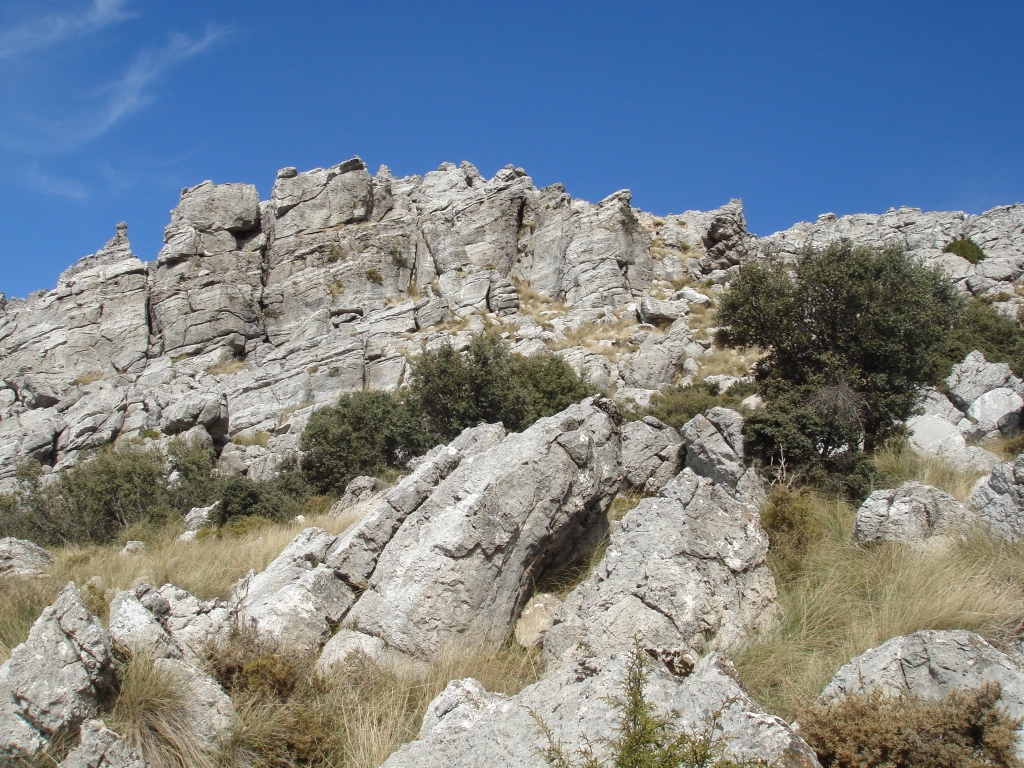
The wider Serranía de Ronda is known for its varied scenery, from rocky mountain ridges to river valleys and traditional agricultural land. Visitors can use Benaoján as a base for exploring the countryside or combine a visit with other villages and attractions around Ronda.
Spring and autumn are often pleasant seasons for walking, while summer can be very hot on exposed routes. Check the weather and local conditions before heading into the hills.
Where to Stay in Benaoján
Benaoján and the surrounding countryside offer a quieter alternative to staying in Ronda itself. Accommodation options include rural hotels, country houses and holiday rentals, with settings ranging from the village streets to the green valley around Estación de Benaoján.
Your choice depends on the sort of visit you have in mind. Staying in the main village puts you close to local bars, traditional streets and everyday village life. Accommodation in the surrounding countryside can provide a more secluded base for walking and exploring the natural landscape.
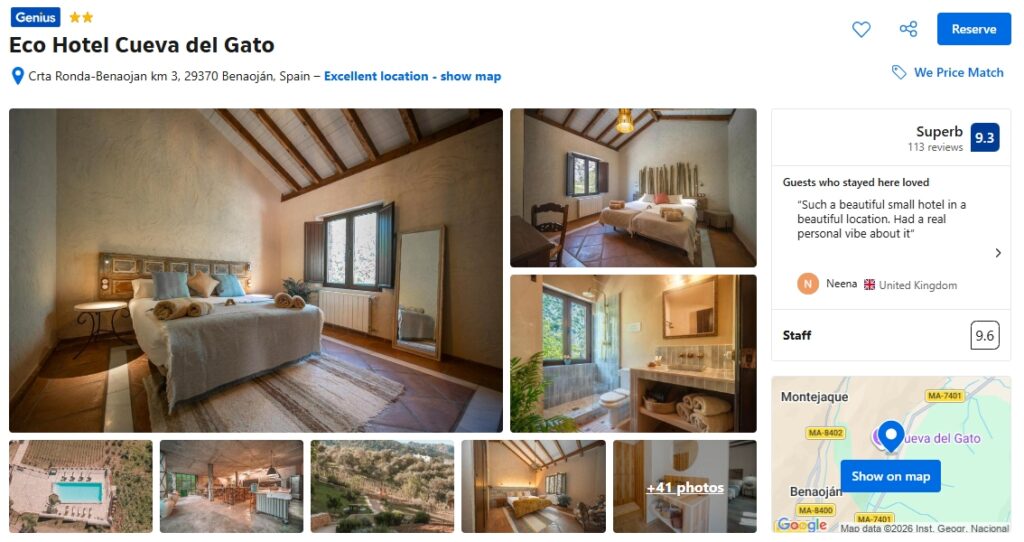
If you plan to visit the caves or walk in the Guadiaro valley, consider how you will reach the starting points of your chosen routes. A car can make exploring the wider area considerably easier.
Accommodation in small rural destinations can be limited at busy times, particularly during weekends and local fiestas. It is worth comparing options and booking ahead if you have specific dates in mind.
How to Get to Benaoján
Benaoján is in the Serranía de Ronda, in Málaga province. It is relatively straightforward to reach by car, although visitors relying on public transport should check current services carefully before travelling.
By Car
Driving is the most flexible way to reach Benaoján and explore the surrounding countryside. The village is around 17 kilometres from Ronda, making it practical to visit as part of a trip to the city and the wider Serranía de Ronda.
The main village and Estación de Benaoján are separate settlements, so check the directions to your destination before setting off. This is particularly important if you are visiting the Cueva de la Pileta, walking towards the Cueva del Gato or staying in the river valley.
The surrounding roads are rural and winding, so allow extra time for your journey.
By Train or Replacement Bus
Benaoján has a railway station known as Benaoján–Montejaque, located in Estación de Benaoján. However, engineering works have disrupted railway services on the line between Algeciras and the Bobadilla area, with replacement road transport operating on affected sections.
Do not assume that a train shown in an online journey planner will actually run on the railway. Check the latest information with Renfe before travelling, including whether the replacement service stops at Benaoján–Montejaque or requires you to use a different stop.
If you are travelling to accommodation in Estación de Benaoján, confirm the current arrangements for reaching your destination before setting out.
By Bus
Bus services in the Serranía de Ronda are more limited than those in larger towns and cities. There are services connecting Ronda and Benaoján, but routes, timetables and journey times can be affected by roadworks or other changes.
Check current information before travelling, particularly if you plan to visit on a Sunday or public holiday. If you want to explore the caves and countryside beyond the main settlements, a car or pre-arranged transfer may be more convenient.
What to Eat in Benaoján
Benaoján is known for its traditional meat products, particularly the chacinas and cured pork specialities asBenaoján has a strong food tradition, particularly known for its chacinas (cured meats and sausages) and traditional Andalusian bread. Both reflect the village’s long-standing food production heritage.
Chacinas and Local Meat Specialities
Benaoján is well known for its traditional pork products, including:
- Chorizo: a pork sausage seasoned with paprika and other spices, available fresh or cured.
- Morcilla: a traditional blood sausage prepared in different ways across Andalucía.
- Lomo en manteca: pork loin preserved in lard, a speciality found in parts of Málaga province.
- Other cured meats: locally produced sausages and pork products reflecting the area’s long tradition of meat processing.
You may also find dishes such as chorizo cooked in wine, alongside other hearty regional food in local bars and restaurants.
The annual Feria de la Chacina celebrates this local food heritage, showcasing cured meats and other regional products. (See below).
Benaoján’s Traditional Molletes
Benaoján is also associated with the mollete, a soft, round Andalusian bread with a light texture and pale crust. Often toasted and served warm with olive oil, tomato or cured ham, it makes a traditional breakfast or simple snack.
The village has a long-standing baking tradition. The Máximo bakery has been reported to make molletes using a sourdough tradition dating back to 1912. Other local specialities include torta de chicharrones, a traditional baked product made with pork crackling.
For visitors interested in Andalusian food, these local breads offer another taste of Benaoján’s culinary heritage beyond its better-known cured meats.
Fiestas and Celebrations in Benaoján
Benaoján’s annual calendar includes religious celebrations, a summer festival in Estación de Benaoján and a fair dedicated to its traditional meat products.
Dates and programmes can change, so check local announcements if you plan to visit for a particular event.
Feria de San Marcos – 25 April
The Feria de San Marcos takes place on 25 April in honour of San Marcos, the village’s patron saint. The celebrations are organised by local mayordomos, who help coordinate the festivities.
As with many village fiestas in Andalucía, the event brings together residents and visitors for a celebration of local traditions and community life.
Verbena del Tren – Late July or Early August
The Verbena del Tren takes place in Estación de Benaoján, usually in late July or early August. The celebration began in 1987 and has become an established event in the lower settlement.
Activities have included a water party on the Sunday, alongside food and drink such as chorizo al vino and sangría.
The festival offers a lively contrast to the quieter atmosphere of the surrounding countryside. Check the local programme for the dates and activities planned for the year of your visit.
Feria de Nuestra Señora del Rosario – Around 7 October
The Feria de Nuestra Señora del Rosario celebrates the village’s patroness, the Virgin of the Rosary. The traditional date is 7 October, and the festivities are organised by local mayordomas.
The fair forms part of Benaoján’s religious and cultural calendar and offers an opportunity to experience the village during one of its principal annual celebrations. The programme and dates of the wider festivities may vary from year to year.
Feria de la Chacina – December
The Feria de la Chacina celebrates Benaoján’s long association with meat processing and the production of traditional cured meats.
The local industry has a history stretching back more than a century. The fair, which began in 2002, showcases chacinas alongside other regional food products and has become an important event for the municipality’s food heritage.
For visitors interested in Andalusian cuisine, it is an opportunity to discover local specialities and learn more about an important part of Benaoján’s working history.
Visitor Information for Benaoján
Benaoján Tourist Information Office
The Benaoján Tourist Information Office can provide information about local attractions, cultural activities, outdoor pursuits and village fiestas. Visitors can enquire about walking routes around the Cueva de la Pileta and Cueva del Gato, as well as activities such as climbing and canoeing.
The office is also a useful starting point for learning more about Benaoján’s history and local traditions.
- Address: Plaza San Marcos, nº 1, 29370 Benaoján, Málaga, Spain
- Telephone: +34 952 167 046
- Website: Ayuntamiento de Benaoján
- Tourism listing: Benaoján Tourist Information Office – Costa del Sol
Contact the office before visiting to confirm opening hours and the information currently available.
Benaoján Town Hall
The Ayuntamiento de Benaoján is a useful contact for municipal information, local announcements and details of village celebrations.
- Address: Plaza de San Marcos, 1, 29370 Benaoján, Málaga, Spain
- Telephone: +34 952 167 046
- Website: Ayuntamiento de Benaoján
The Town Hall and tourist information office are listed at the same address and telephone number, so visitors may wish to enquire there about both municipal and tourism information.
Is Benaoján Worth Visiting?
Benaoján is well worth considering if you want to explore the quieter side of the Serranía de Ronda. Its appeal lies in the combination of traditional village life, dramatic limestone scenery, prehistoric caves and the green valley of the River Guadiaro.
The Cueva de la Pileta offers a glimpse into prehistoric life, while the Cueva del Gato is one of the area’s most distinctive natural landmarks. The two settlements also provide different experiences: the main village has the traditional hillside setting, while Estación de Benaoján offers access to the river valley and nearby walking routes.
You can visit Benaoján on a day trip from Ronda, but staying overnight gives you more time to explore the countryside and enjoy the peaceful setting.
For travellers interested in walking, local food and the natural landscape of inland Andalucía, Benaoján makes a rewarding addition to a trip around Ronda and the surrounding white villages.
Frequently Asked Questions About Benaoján
Benaoján is a village in the Serranía de Ronda, in Málaga province, Andalucía, southern Spain. It lies approximately 17 kilometres from Ronda and is surrounded by limestone mountains and the valley of the River Guadiaro.
Benaoján is known for the Cueva de la Pileta and its prehistoric cave paintings, the Cueva del Gato and its traditional cured meat products. The surrounding countryside is also popular with walkers and nature lovers.
The Cueva de la Pileta is a major attraction near Benaoján. Check current opening arrangements and guided visit information before travelling, as access is controlled and should not be assumed without confirmation.
The Cueva del Gato is a natural cave system, not a conventional tourist attraction that visitors can freely enter. The Andalusian regional government’s visitor information advises against entering without the necessary authorisation. Check current access conditions and enjoy the walking route towards the entrance instead.
Yes. Benaoján–Montejaque station is in Estación de Benaoján, the lower settlement beside the river. However, railway engineering works have disrupted services on the Algeciras–Bobadilla line, with replacement road transport operating on affected sections. Check directly with Renfe for the latest arrangements and whether the replacement service stops at Benaoján.
There are rural accommodation options in and around Benaoján, including hotels, country houses and holiday rentals. You can choose between staying in the main village or in the countryside around Estación de Benaoján, depending on whether you prefer village life or a rural base for walking and exploring.
Spring and autumn are often comfortable seasons for exploring the village and walking in the surrounding countryside. Summer can be very hot, particularly on exposed routes, while heavy rain can affect paths near the river. If you are visiting for a local fiesta, check the dates and programme before travelling.

I’ve been living in this lovely area of Western Andalucia for the last 20 years or so and dedicate most of my time to the running of English language tourist information websites for the towns of Cádiz, Ronda, Grazalema, the famous or infamous Caminito del Rey, and also Wildside Holidays, which promotes sustainable and eco-friendly businesses running wildlife and walking holidays in Spain. My articles contain affiliate links that will help you reserve a hotel, bus, train or activity in the area. You don’t pay more, but by using them you do support this website. Thankyou!