Benaocaz is a small white village in the province of Cádiz, set among the rugged limestone mountains of the Sierra de Grazalema. Part of the Route of the White Villages (Ruta de los Pueblos Blancos), it is a rewarding stop for visitors exploring the Sierra de Grazalema and the surrounding countryside.
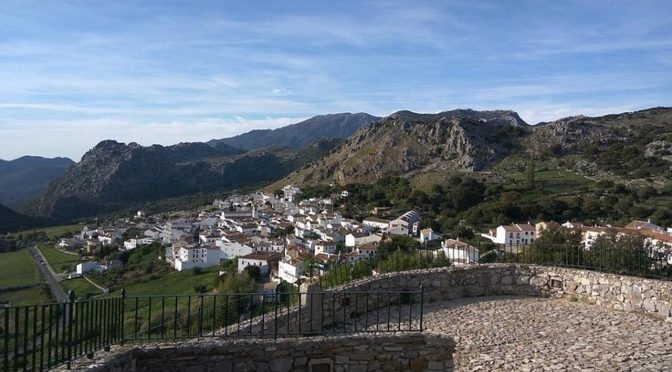
The village has a quieter feel than some of the better-known destinations in the region, with narrow streets, traditional whitewashed houses and mountain views in every direction. Its location also makes it a useful starting point for exploring the surrounding landscape on foot.
Exploring Benaocaz
The most distinctive part of Benaocaz is its Barrio Nazarí, the old Nasrid quarter. Its narrow, cobbled streets follow the layout of the medieval settlement, with the remains of old houses offering glimpses of the village’s Islamic past.
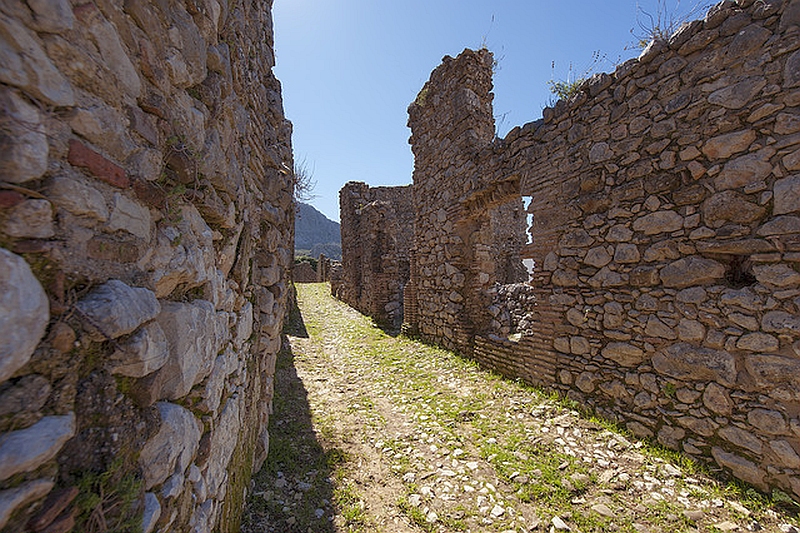
The quarter is an important part of Benaocaz’s heritage, but the village is also worth visiting simply to wander through its streets and enjoy the atmosphere of a traditional mountain settlement. For a more detailed look at the historic quarter, its history and the village’s other cultural attractions, read this other excellent guide to Benaocaz on Visiting Cádiz.
Walking around Benaocaz
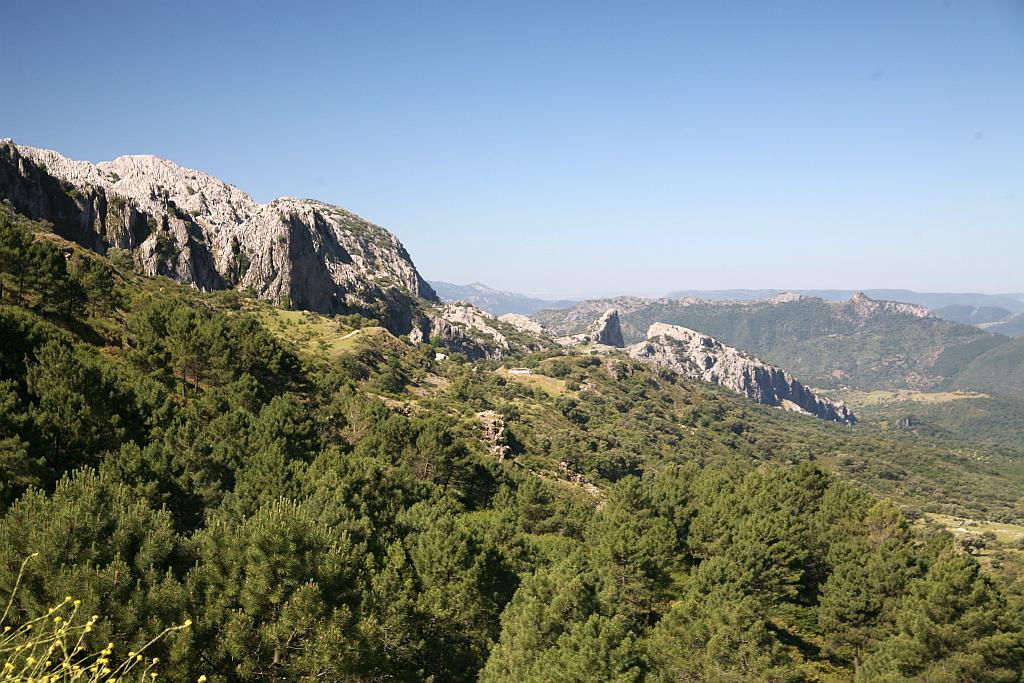
Benaocaz is well placed for exploring the mountains and countryside of the Sierra de Grazalema region. Walking routes in the surrounding area take visitors through limestone landscapes, across mountain slopes and towards some of the region’s most striking viewpoints.
One of the best-known local landmarks is Salto del Cabrero, a dramatic rocky cleft formed by steep limestone walls. Access to the walking route is from Benaocaz only; the footpath from the Grazalema side is closed to the public. The route offers impressive mountain scenery and opportunities to enjoy the area’s wildlife and natural landscape. Check local signs and access information before setting out.
Some of the most rewarding walks in the Sierra de Grazalema Natural Park have restricted access and require a permit before you can walk them. These include El Pinsapar, El Torreón, Garganta Verde and Llano de Ravel.
How to get a permission for restricted footpaths in the Sierra de Grazalema.
Traditional food and gastronomy in Benaocaz
The food of Benaocaz reflects its rural mountain setting, with traditional recipes built around pork, game, seasonal wild plants and hearty home cooking. The village is particularly known for its range of chacinas and embutidos — traditional cured meats and sausages — alongside dishes that have been part of local cooking for generations.
One of the specialities to look out for is refrito benaocaceño, also known as sopas cocías. This traditional dish combines bread with ingredients such as garlic, onion, peppers, tomatoes, chorizo, morcilla and cured ham, cooked together to make a substantial meal.
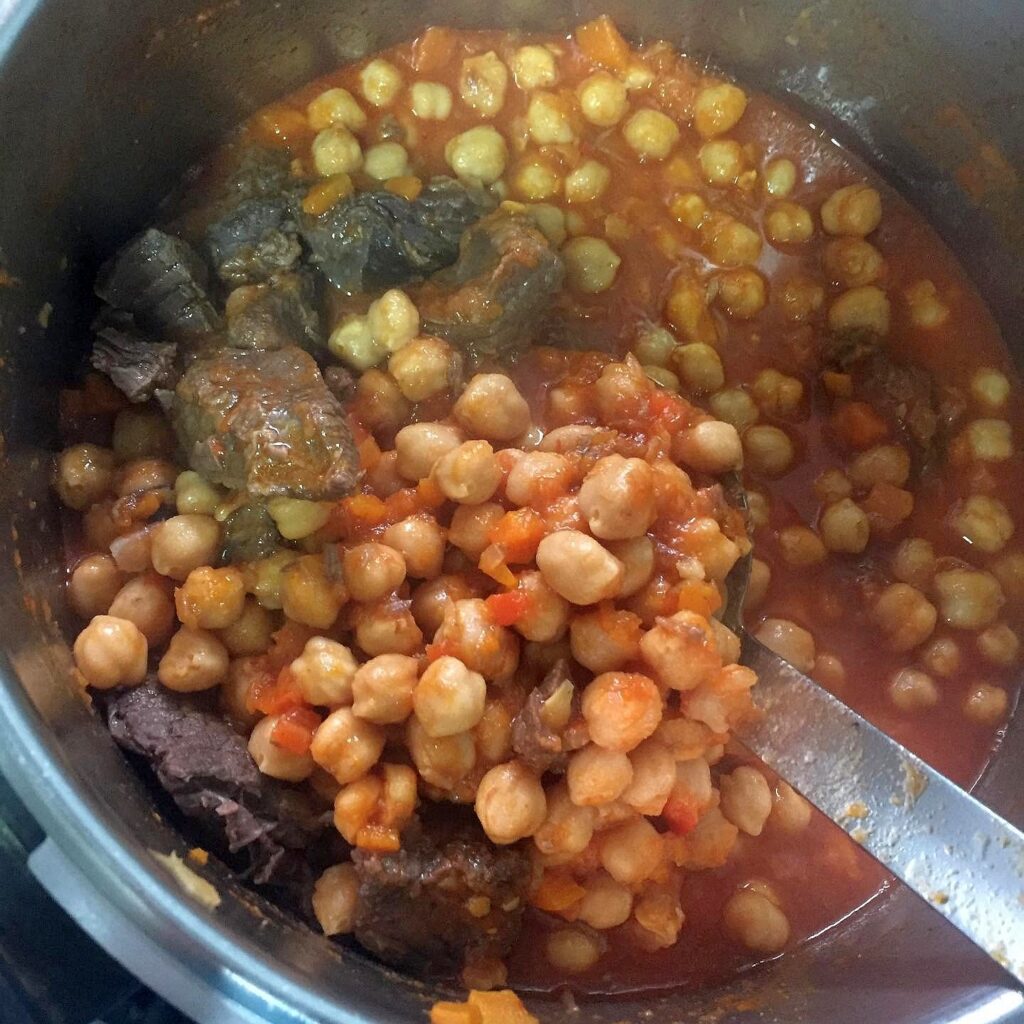
Another local favourite is potaje de tagarninas, a hearty stew made with tagarninas, the edible shoots of a wild thistle, often cooked with chickpeas, potatoes and cured meats. Tagarninas also appear in other traditional dishes, including scrambled eggs. Depending on the season and the menu, you may also find dishes made with wild asparagus.
Meat is an important part of the local food tradition. Alongside pork and cured meats, recipes may feature game such as venison, partridge and rabbit. Cabrito a la brasa, or grilled young goat, is another speciality associated with the Sierra de Cádiz.
Traditional sweets from Benaocaz
Save room for something sweet, too. Local pastries include roscos trenzados, braided ring-shaped biscuits or pastries, and suspiros, delicate meringue-based sweets. You may also come across huevos nevados, a traditional dessert made with milk, eggs, sugar and cinnamon.
If you enjoy discovering local food when travelling, these dishes offer a taste of the rural cooking traditions that remain an important part of life in Benaocaz and the surrounding Sierra de Cádiz.
Where to eat in Benaocaz
If you’d like to try traditional food while visiting Benaocaz, these local restaurants are worth looking into:
- Restaurante El Parral: A local restaurant to consider when looking for traditional cooking and regional dishes in Benaocaz.
- Refugio de Angélica: Another option to explore for a meal in the village, particularly if you’re interested in trying local food.
- Restaurante Nazarí: A restaurant in Benaocaz offering another option for eating out while exploring the village and its historic streets.
Getting to Benaocaz
By car
Driving is the easiest way to reach Benaocaz and explore the surrounding white villages. The village is connected by the A-2302, the mountain road running between Grazalema and Ubrique via Villaluenga del Rosario.
Coming from Grazalema, follow the road towards Ubrique via Villaluenga del Rosario and Benaocaz. The road winds through some beautiful mountain scenery, with limestone ridges, open valleys and views across the surrounding countryside.
Benaocaz is a convenient stop if you’re touring the White Villages, and the drive makes it easy to combine a visit with Villaluenga del Rosario, Grazalema or Ubrique. Allow time for the winding roads and take care on bends, particularly if you’re unfamiliar with mountain driving.
There is parking at the entrance to the village, making it practical to leave the car and explore the narrow streets on foot.
Where to stay in Benaocaz
Staying in Benaocaz gives you the chance to enjoy the village after day visitors have left and to explore the surrounding mountain countryside at your own pace.
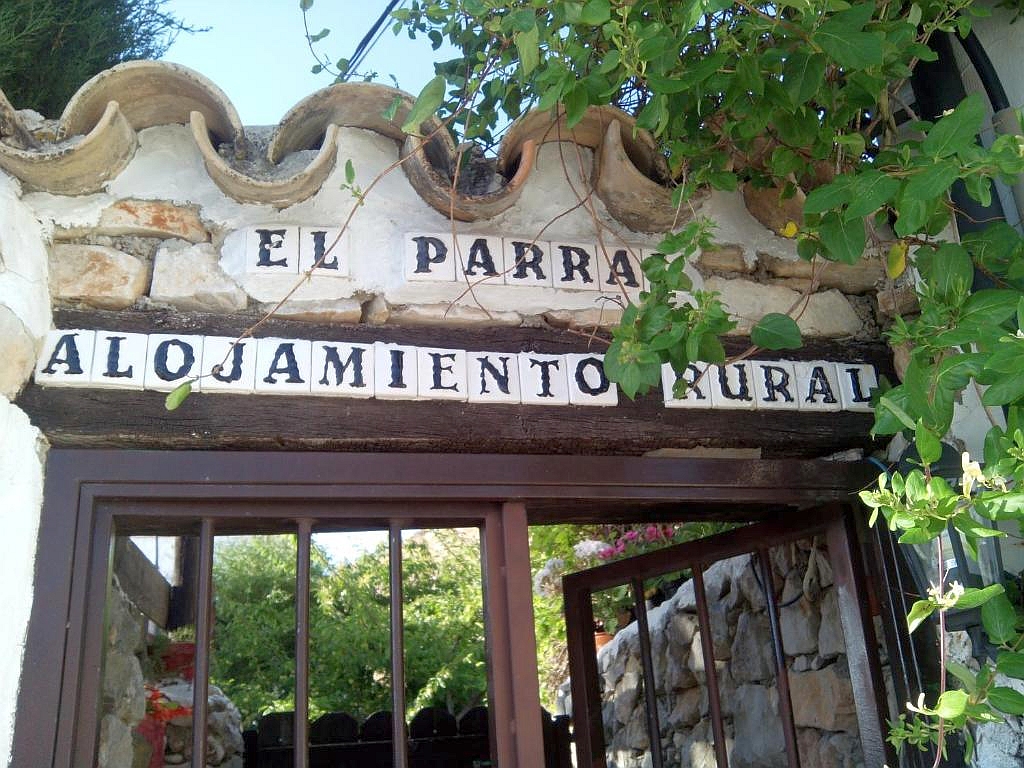
When choosing accommodation, consider whether you’d prefer to stay in the village itself or in the surrounding countryside. Your choice may depend on whether you’re primarily interested in exploring the historic quarter, walking in the mountains or visiting other white villages in the region.
Find accommodation in Benaocaz
Benaocaz Town Hall and visitor information
For official information about Benaocaz, local announcements, municipal services and festival programmes, visit the town hall’s website or Facebook page.
- Official website: www.benaocaz.es
- Facebook: Ayuntamiento de Benaocaz
These are useful sources for checking local events and announcements before your visit.
Frequently asked questions about Benaocaz
Benaocaz is a white village in the province of Cádiz, Andalusia, set among the limestone mountains of the Sierra del Endrinal. It forms part of the Route of the White Villages and is well placed for exploring the Sierra de Grazalema region.
Benaocaz is best known for its medieval Nasrid quarter, where narrow cobbled streets and the remains of old houses preserve the layout of the historic settlement. The village is also known for its mountain setting and traditional local festivals.
Yes. The walking route to Salto del Cabrero is accessible from the Benaocaz side. The footpath from the Grazalema side is closed to the public, so walkers should plan their visit from Benaocaz and check local access information before setting out.
The main celebrations include the San Blas festival on 3 February, Holy Week, the romería in honour of San Esteban on the first Sunday in June, and the summer fair from 14 to 17 August, which includes the traditional toro de cuerda event. Check the town hall’s announcements for current programmes.
The easiest way to reach Benaocaz is by car. The village lies on the A-2302 between Grazalema and Ubrique, via Villaluenga del Rosario. The drive passes through mountainous countryside, so allow time for the winding roads and enjoy the views along the way.

I’ve been living in this lovely area of Western Andalucia for the last 20 years or so and dedicate most of my time to the running of English language tourist information websites for the towns of Cádiz, Ronda, Grazalema, the famous or infamous Caminito del Rey, and also Wildside Holidays, which promotes sustainable and eco-friendly businesses running wildlife and walking holidays in Spain. My articles contain affiliate links that will help you reserve a hotel, bus, train or activity in the area. You don’t pay more, but by using them you do support this website. Thankyou!