
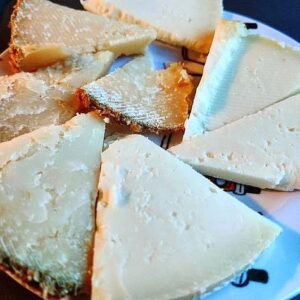
Payoyo cheese is one of the best-known local specialities of the Sierra de Grazalema in Andalusia. Made using milk from the Payoya goat, a breed native to the region, it reflects the area’s long agricultural tradition and the work of local cheesemakers. The cheeses range from soft and creamy to firm and intensely flavoured, with different textures and characteristics depending on how they are made and matured.
See here for a full list of bars and restaurants in the village of Grazalema.
If you are visiting Grazalema for just one day, check out our guide for exploring the village.
Stay a Little Longer in Grazalema?
Why rush away after sampling Grazalema’s Payoyo cheese? Staying overnight gives you more time to explore the village’s food traditions, enjoy another meal in a local restaurant and discover more of the surrounding Sierra de Grazalema. If you’re planning an extended visit, take a look at our guide to finding a hotel in the Sierra de Grazalema and find a base for exploring the area’s villages, countryside and local produce.
The Payoyo Goat: Grazalema’s Hardy Native
The Payoya goat is a traditional breed of the Sierra de Grazalema, well adapted to the area’s rugged terrain and mountain pastures. Its milk is valued for its richness and flavour, making it an important ingredient in local cheesemaking. The cheese produced from this milk reflects the relationship between the breed, the surrounding landscape and the skills of the region’s cheesemakers.

The Art of Making Payoyo Cheese
Making Payoyo cheese involves a series of carefully controlled steps, from milking the goats to preparing and shaping the curds. Traditional cheesemaking methods help preserve the character of the milk, while the salting process develops the flavour and helps prepare the cheese for maturation.
The length of the ageing process has a significant influence on the finished cheese. Younger cheeses tend to have a milder flavour and softer texture, while longer maturation produces firmer cheeses with more concentrated and complex flavours.

After a salting process that enhances the flavor, the cheese is aged in controlled environments, allowing it to develop a depth of flavor and texture that varies with the length of aging—from a few weeks for a milder taste to several months for a more intense, complex profile.
Savoring Payoyo Cheese in Grazalema
Trying Payoyo cheese is a worthwhile part of exploring Grazalema’s food traditions. Local bars and restaurants serve regional cheeses in tapas and cheese boards, sometimes accompanied by honey, nuts or quince jelly. The different varieties offer plenty to discover, from mild, creamy cheeses to firmer, more mature examples with a stronger flavour.
Where to buy Payoyo cheese in Grazalema?
Delicatessen shops in Grazalema stock a selection of local cheeses, including Payoyo goat’s cheese and cheeses made with Merino sheep’s milk. You’ll find varieties produced in the village and elsewhere across the Sierra de Grazalema. If you’d like to try the cheeses at home, La Pastora sells its cheeses online, making it possible to discover more of Grazalema’s cheesemaking tradition beyond your visit.

Maturity Breakdown of Payoyo and Merino Cheeses
Fresh (Fresco)
- Maturity: A few days to around a week.
- Texture: Soft, moist and creamy.
- Flavour: Mild and delicate, with a slight tang and a fresh milky taste. It works well with honey or fresh fruit.
Semi-Cured (Semi-curado)
- Maturity: Around 1–3 months.
- Texture: Firmer than fresh cheese, while retaining some creaminess.
- Flavour: More developed, balancing tanginess with richness and a subtle nuttiness. Enjoy it on its own or use it in a variety of dishes.
Cured (Curado)
- Maturity: Around 3–6 months.
- Texture: Firm and dense, sometimes with a crumbly finish.
- Flavour: Richer and more concentrated, with earthy notes and a more pronounced tang. It pairs well with quince paste and other robust flavours.
Aged (Añejo)
- Maturity: More than 6 months, sometimes up to a year.
- Texture: Very firm and crumbly, sometimes developing small crystalline formations.
- Flavour: Strong and complex, potentially with spicy notes and a lingering finish. It can be enjoyed in small portions or grated over dishes.
Payoyo-Merino Cheese: A Perfect Blend
Payoyo-Merino cheese combines milk from the Payoya goat and Merino sheep, bringing together the characteristics of both. Known as mezcla (a blend), this type of cheese offers a different flavour and texture from cheeses made exclusively with goat’s or sheep’s milk. The balance depends on the proportions of each milk and the cheesemaker’s methods, giving visitors another variety to look for when exploring Grazalema’s local cheeses.
The Merino Sheep: Grazalema’s Other Agricultural Icon
Merino sheep have long been part of Grazalema’s agricultural heritage. The breed is particularly valued for its wool, which helped support the village’s traditional textile industry and the production of blankets and clothing. Sheep farming remains part of the wider rural landscape of the Sierra de Grazalema.

Merino wool is known for its softness, warmth and durability. Although textile production has changed considerably over time, wool remains an important link to Grazalema’s working history and the skills that developed around its traditional industries.
Merino sheep also contribute to the area’s cheesemaking tradition. Their milk can be combined with milk from Payoya goats to produce mezcla cheese, offering a different flavour from cheeses made using either milk alone. Together, sheep farming, goat farming and cheesemaking reflect the close relationship between local food production and the surrounding countryside.

See here for a full list of bars and restaurants in the village of Grazalema.
If you are visiting Grazalema for just one check out our guide for exploring the village.
A Taste of Grazalema
Payoyo cheese offers a taste of Grazalema’s agricultural heritage, shaped by the local landscape, traditional livestock breeds and the skills of its cheesemakers. When visiting the village, try a selection of local cheeses in a bar or restaurant, or look for varieties to take home from a local delicatessen.
Whether you prefer a mild, creamy cheese or something firmer and more mature, sampling the local produce is a good way to discover another side of Grazalema. The village’s food traditions are closely tied to the surrounding countryside, where goat and sheep farming have helped shape local life for generations.
Frequently Asked Questions about Payoyo Cheese
Payoyo cheese is an artisanal cheese associated with the Sierra de Grazalema in Andalusia. It is made using milk from the Payoya goat, a traditional local breed, and is available in varieties ranging from soft and creamy to firm and mature.
The Payoya is a traditional goat breed native to the Sierra de Grazalema. Well adapted to the region’s rugged terrain and mountain pastures, it produces milk used by local cheesemakers to make Payoyo cheese.
Payoyo-Merino cheese, also known as mezcla, combines milk from Payoya goats and Merino sheep. The blend produces a different flavour and texture from cheese made using either type of milk alone.
Fresh cheese is generally soft, moist and mild. Semi-cured cheese develops a firmer texture and a more pronounced flavour, while cured and aged varieties tend to be firmer, more concentrated and more complex in taste. The exact characteristics depend on the producer and maturation process.
Delicatessen shops in Grazalema sell a selection of local cheeses, including Payoyo goat’s cheese and varieties made with Merino sheep’s milk. You can also buy cheeses online from La Pastora de Grazalema.

I’ve been living in this lovely area of Western Andalucia for the last 20 years or so and dedicate most of my time to the running of English language tourist information websites for the towns of Cádiz, Ronda, Grazalema, the famous or infamous Caminito del Rey, and also Wildside Holidays, which promotes sustainable and eco-friendly businesses running wildlife and walking holidays in Spain. My articles contain affiliate links that will help you reserve a hotel, bus, train or activity in the area. You don’t pay more, but by using them you do support this website. Thankyou!